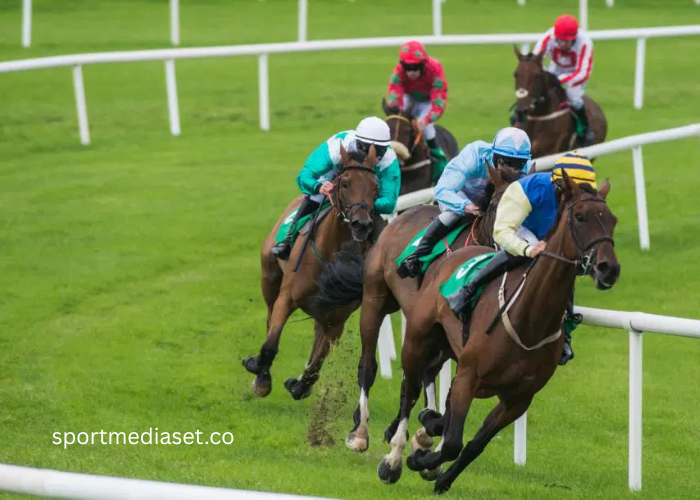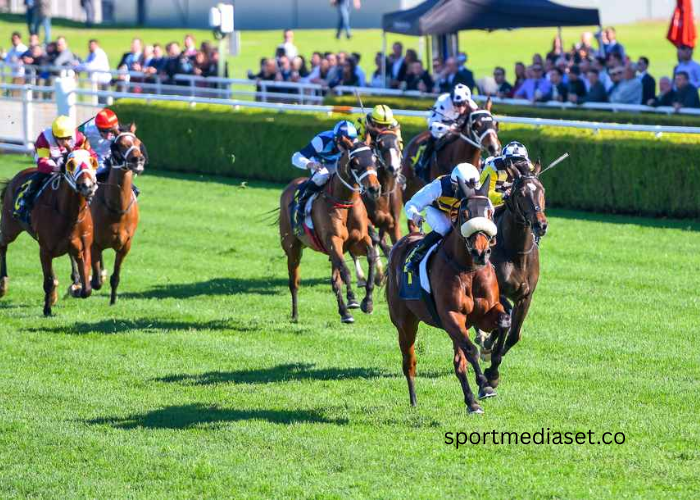
Horse racing on turf has long been admired for its elegance, strategy, and the unique challenges it presents to both jockeys and horses. Unlike dirt tracks, turf surfaces require a combination of agility, endurance, and careful planning. Racing on grass adds a layer of complexity that can significantly influence the outcome of a race, making it exciting for participants and spectators alike. Turf racing is celebrated not only for its competitive nature but also for the visual beauty of horses running across lush green tracks.
The Unique Characteristics of Turf
Turf surfaces are softer and more forgiving than dirt tracks, which can reduce the impact on horses’ legs and allow for smoother strides. However, this also means that horses must adjust their pace and footing to maintain balance and speed. Grass can be affected by weather conditions, such as rain or drought, making the track slippery or firm. These variations require jockeys to be highly aware of the surface and adapt their strategies accordingly. The quality and maintenance of turf are essential factors that contribute to both performance and safety.
Strategy and Skill in Turf Racing
Racing on turf demands a high level of strategy and skill. Jockeys must carefully gauge the horse’s energy, position in the race, and how to navigate curves without losing momentum. Unlike dirt tracks where speed is often the primary factor, turf races reward tactics, timing, and the ability to respond to changing conditions. Horses that excel on turf often have agility and a smooth stride, making it crucial for trainers to understand their horse’s strengths when preparing for a race.
Famous Turf Races and Global Recognition
Turf racing is prominent in many countries and often features some of the most prestigious heros turf vip racing events in the world. Iconic races such as the Royal Ascot in England or the Breeders’ Cup Turf in the United States highlight the sport’s international appeal. These events attract top horses, jockeys, and trainers from around the globe, showcasing skill, strategy, and the beauty of horses in peak condition. Turf racing has also gained popularity among casual spectators due to its combination of speed, elegance, and unpredictability.
The Physical and Mental Demands
Racing on turf places both physical and mental demands on horses and jockeys. Horses must possess strength, stamina, and agility to handle the variations in grass surfaces, while jockeys need concentration, quick decision-making, and tactical awareness throughout the race. The partnership between horse and rider is vital, as effective communication and understanding can make the difference between winning and falling behind. Proper training, conditioning, and experience are essential for success in turf racing.
The Aesthetic Appeal
Beyond competition, turf racing is admired for its aesthetic appeal. The sight of powerful horses galloping across green tracks, often with a backdrop of grandstands and natural landscapes, creates a visually stunning spectacle. Turf races often feel more graceful compared to the dust and intensity of dirt tracks, offering fans an experience that combines athleticism with beauty. This visual charm has contributed to the enduring popularity of turf racing in horse racing culture.
Conclusion
Racing on turf offers a unique combination of beauty, challenge, and strategic depth. From the softness of the grass to the tactical decisions of jockeys, every aspect of turf racing requires skill, precision, and adaptability. Prestigious turf events around the world celebrate the sport’s elegance and competitive spirit, captivating both dedicated fans and casual observers. For anyone interested in horse racing, turf races provide a remarkable experience where athleticism meets artistry, and the thrill of competition is enhanced by the natural beauty of the track.