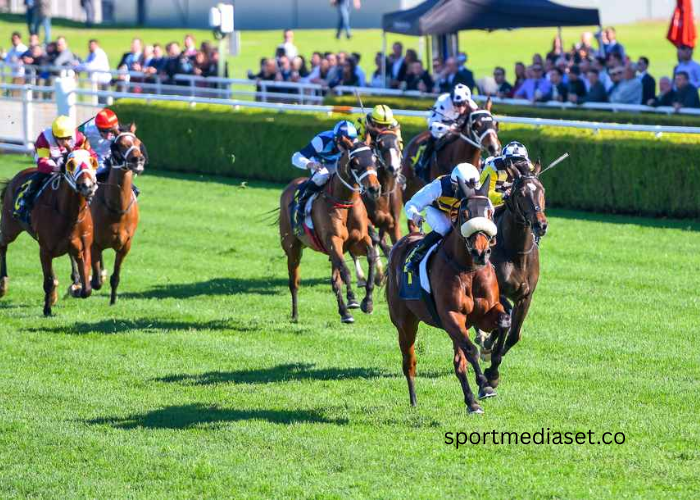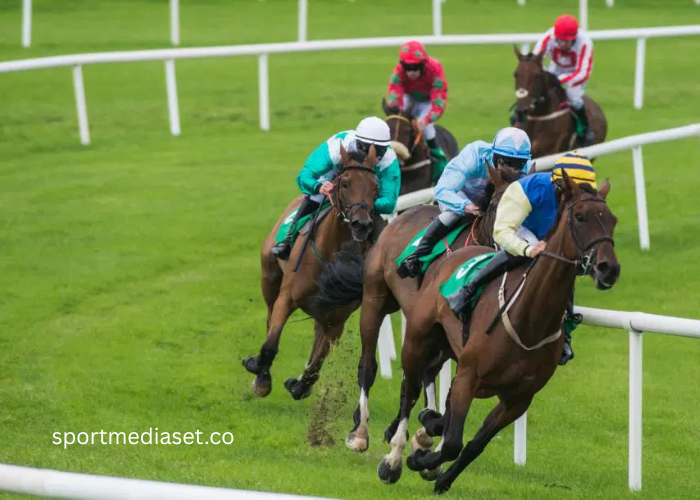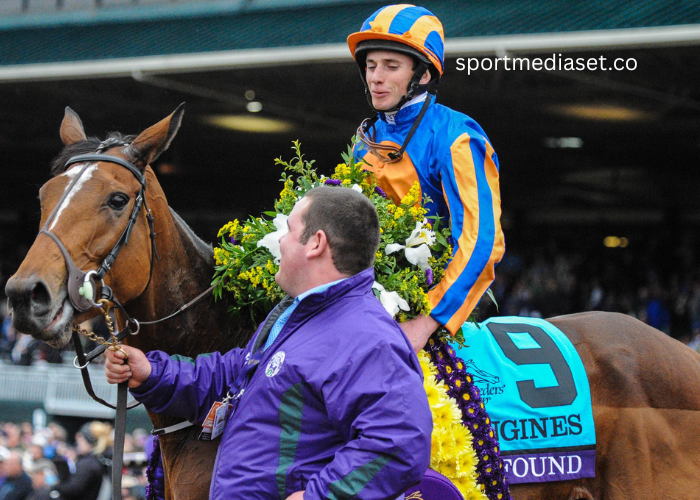
If you have ever spent a sunny afternoon at the track or scrolling through a racing form, you know that nothing shakes up a betting pool quite like an international traveler. We usually call them turf raiders. These are the horses that hop on a plane, cross an ocean, and land in a starting gate thousands of miles from home. It is exciting to see a new face, but honestly, it is also a bit terrifying for anyone trying to place a smart wager.
Handicapping these runners is a completely different beast compared to looking at local horses. You aren’t just comparing speed figures anymore. You are playing detective with different training styles, surface textures, and even how a horse handles jet lag. It can be a real headache if you don’t have a plan. I have spent many years scratching my head over European or Japanese shippers, and I have learned that the key is looking past the numbers and focusing on the logistics.
Understanding the Travel Factor
The first thing I always look at is the schedule. Imagine flying halfway across the world, sitting in a crate for fifteen hours, and then being expected to sprint for your life three days later. It sounds exhausting because it is. Some horses are total pros and step off the plane looking like they just finished a nap, while others lose weight and get cranky.
I pay close attention to how long the horse has been on the grounds. If they arrived a few weeks early and have had time to get their feet under them on the new turf, that is a huge plus in my book. On the flip side, the “ship and win” approach where they arrive right before the race can work too, but only for the elite stables. If a horse looks dull in the paddock or seems agitated by the local noise, they might still be thinking about home.
The Mystery of International Form Lines
This is where things get tricky. In the United States, we are obsessed with speed figures and fast times. But if you look at a horse coming from England or France, their times might look incredibly slow. Does that mean they are bad? Not at all. European racing is often about strategy and a massive burst of speed at the very end. They might crawl for the first half mile and then fly for the last quarter.
You have to learn to translate their “form” rather than just looking at the clock. I look for who they were running against. If a horse was finishing third or fourth behind a superstar in a Group One race overseas, they are probably going to find the local competition much easier to handle. It is all about the company they keep. Sometimes a “mediocre” European runner is actually much faster than our best local turf specialists once the pace picks up.
Ground Conditions and Going
In America, we like our turf firm in heros turf vip and fast. It is basically a carpet. Overseas, the “going” can range from rock hard to a complete bog. This is a massive piece of the puzzle. If you see a raider who has spent their whole career running through deep mud in Ireland and they show up on a firm, blazing fast track in California, they might get a bit of a shock.
I always check the past performances for a little note about the ground. Some horses absolutely need “give” in the ground to feel comfortable. If the track is too hard, they might not extend their stride fully because it hurts their joints. Conversely, some international horses are bred specifically for fast ground and only ship over here because they are tired of the rain back home. Matching the horse to the current track condition is probably fifty percent of the battle.
The Importance of the Connections
You really have to trust the trainers when it comes to international shipping. It is an incredibly expensive gamble to send a horse across the world. Owners aren’t doing it just for the sake of a vacation. If a top tier trainer like Charlie Appleby or Aidan O’Brien sends a horse over, you better believe that horse is ready to roll. These big stables have the process down to a science. They know which horses have the right temperament for travel and which ones will appreciate the style of racing in a different country. I also keep an eye on the jockey. If a world class rider travels specifically to ride just one horse, that is a massive signal. They aren’t flying ten hours just for the fun of it. They think they have a winner.
Equipment and Medication Changes
One thing that catches people off guard is the change in rules. Many international horses run without any medication back home, but they might be allowed to use certain things once they arrive here. Also, pay attention to the “blinkers.” Some trainers add or remove equipment to help a horse focus in a new environment. The configuration of the track matters too. Most international courses are massive, sweeping lanes with long stretches. Many American tracks are tight ovals with short turns. A horse that is used to a long, straight run might get confused or lose momentum when they have to navigate two sharp turns. I prefer raiders who have shown they can handle different track shapes before I put my money down.
Putting the Pieces Together
At the end of the day, handicapping international turf raiders is about balancing risk and reward. These horses often go off at lower odds because of the “glamour” factor, but that doesn’t mean they are locks. You have to ask yourself if the horse is actually better than the locals or if people are just betting on the fancy name.
I like to find the “hidden” shippers. Maybe it isn’t the big favorite from the famous stable, but a solid runner from a smaller yard that fits the race conditions perfectly. When you find one of those, the payout can be fantastic. It takes a little more work to dig through the international logs, but it makes the victory that much sweeter when they cross the wire first. Watching a horse you picked from thousands of miles away dominate the stretch is one of the best feelings in the sport.