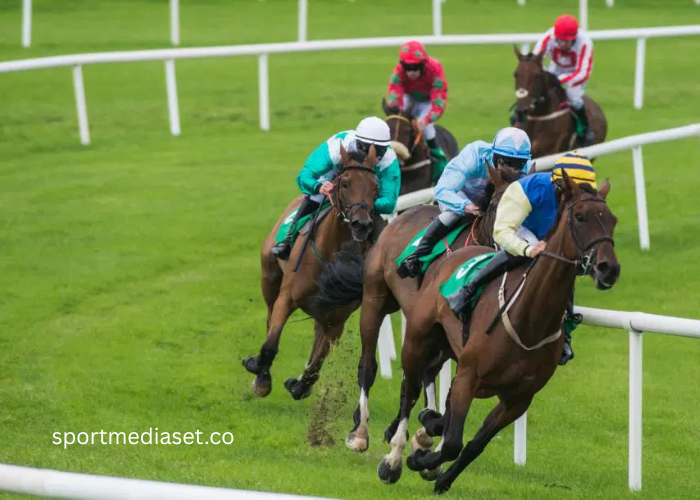
Horse turf racing is one of the most elegant and traditional forms of horse racing, held on natural grass surfaces rather than dirt or synthetic tracks. Known for its beauty, strategy, and rich history, turf racing is popular across Europe, Asia, and many other parts of the world. Understanding how it works can help both beginners and enthusiasts appreciate the sport on a deeper level.
What is Horse Turf Racing
Turf racing refers to horse races conducted on grass tracks. Unlike dirt racing, turf surfaces are softer and more forgiving, which can influence how horses perform. The condition of the grass, whether firm, soft, or wet, plays a major role in race outcomes. These races often emphasize endurance and strategy rather than just raw speed. Horses need to maintain balance, adjust to the surface, and respond to jockey tactics throughout the race.
Types of Turf Races
Horse turf racing includes different types of races, each with unique characteristics.
Flat racing is the most common type, where horses run over a set distance without obstacles. These races can range from short sprints to long distance endurance events.
Jump racing, also known as steeplechasing, includes obstacles such as fences and hurdles. While more common in certain regions, it adds an extra layer of challenge and excitement.
Handicap races are designed to level the playing field by assigning different weights to horses based on their past performance. This creates more competitive and unpredictable races.
Importance of Track Conditions
One of the defining aspects of messiturf racing is how much the track condition affects performance. Terms like firm, good, soft, and heavy describe how wet or dry the grass is. A firm track is dry and fast, favoring horses with speed. A soft or heavy track is wet and slower, which can benefit horses with strong stamina. Trainers and jockeys carefully analyze these conditions before each race to adjust their strategies.
Breeds and Training
Certain horse breeds perform better on turf tracks. Thoroughbreds are the most common in professional racing due to their speed, agility, and endurance.
Training for turf racing focuses on balance, stamina, and adaptability. Horses must be conditioned to run efficiently on grass, which can be more slippery and uneven compared to dirt tracks.
Jockeys also play a crucial role. They must understand pacing, positioning, and timing to make the most of their horse’s abilities during a race.
Strategy and Racing Tactics
Turf racing is often more tactical than other forms of racing. Jockeys need to decide when to conserve energy and when to push forward. Positioning is important, as being too far behind can make it difficult to catch up, while leading too early can exhaust the horse. Many turf races are decided in the final stretch, where timing and control become critical. Drafting behind other horses to reduce wind resistance and choosing the best path on the track are also key strategies.
Major Turf Racing Events
Turf racing is featured in some of the most prestigious horse racing events around the world. Events like the Prix de l’Arc de Triomphe in France and Royal Ascot in the United Kingdom are famous for their high level competition and tradition. These races attract top horses, jockeys, and global audiences. Such events showcase the best of turf racing, combining skill, strategy, and spectacle.
Benefits of Turf Tracks
Turf tracks are often considered safer for horses because the grass surface is softer and reduces impact on their legs. This can lower the risk of injuries compared to harder surfaces. They also provide a more natural running environment, which many horses adapt to well. Additionally, turf tracks are visually appealing, adding to the overall experience for spectators.
Final Thoughts
Horse turf racing is a fascinating blend of tradition, skill, and strategy. From understanding track conditions to appreciating the role of jockeys and training, there is much to learn and enjoy about this sport. Whether you are a casual viewer or a dedicated fan, turf racing offers a unique and exciting experience that continues to captivate audiences around the world.