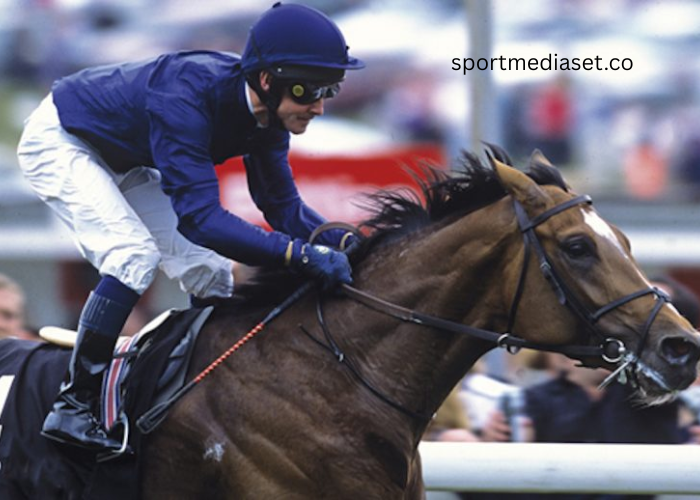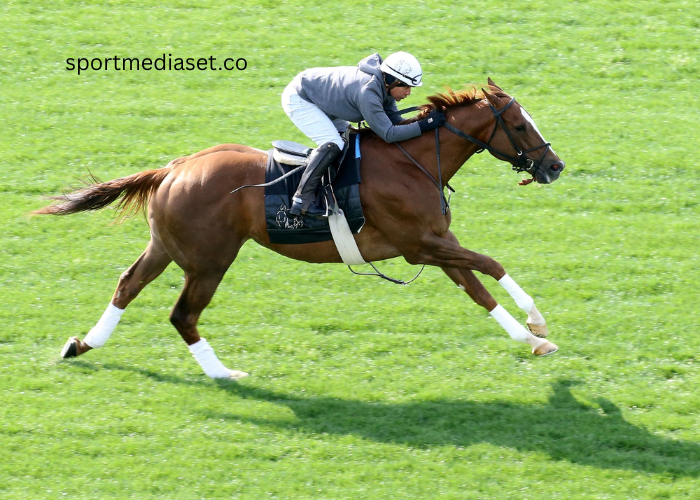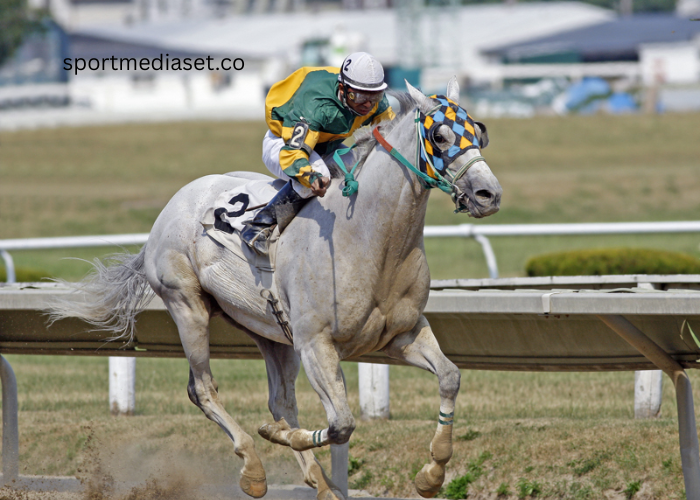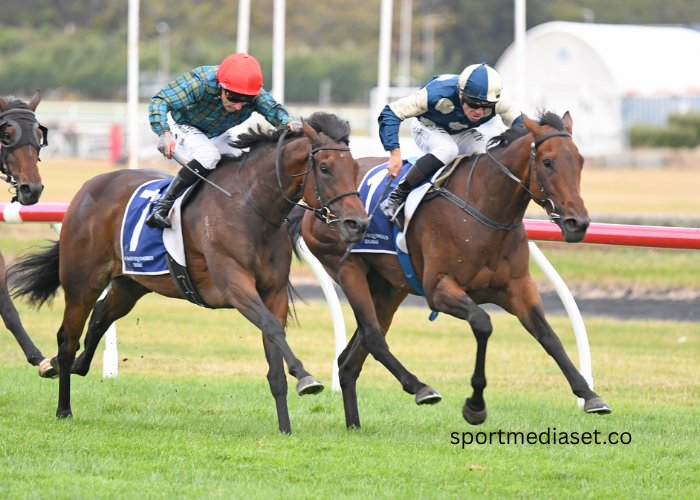
If you ever find yourself standing on the soft, lush grass at a place like Ascot or Longchamp, you’ll quickly realize that horse racing in Europe isn’t just a sport. It’s a full blown cultural event. While our friends across the pond in the United States have a long standing love affair with dirt tracks, Europe has doubled down on the turf. In 2026, this preference has turned into total market dominance. It is not just about tradition anymore; it’s about a perfect storm of environmental awareness, horse welfare, and a global betting market that just can’t get enough of the green stuff.
The Natural Home of the Thoroughbred
Europe has a bit of an unfair advantage when it comes to grass racing, and that is the weather. Let’s be real, it rains a lot in places like Ireland, England, and France. Instead of fighting against the damp climate, European racing embraced it centuries ago. This has resulted in some of the most resilient and high quality turf in the world.
Unlike dirt tracks that can become a muddy mess or require insane amounts of maintenance to keep consistent, a well managed turf course actually thrives in the European climate. There is something authentic about seeing a horse run on the surface it was literally bred for. It feels more natural, and for the fans, there is nothing quite like the sound of hooves thundering over sod rather than the hollow thud of dirt.
A Massive Shift Toward Welfare
In recent years, the conversation around horse racing has shifted heavily toward safety and welfare. This is one of the main reasons why turf is winning the popularity contest. Statistics consistently show that racing on grass or synthetic surfaces tends to be easier on a horse’s legs compared to the unforgiving nature of traditional dirt.
Because the European market is so focused on “flat racing” on grass, they’ve attracted owners and trainers who prioritize the longevity of their athletes. People are much more comfortable supporting a sport when they know the surface is designed to minimize injury. It’s a huge selling point for the younger generation of fans too, who are often more concerned about animal ethics than just the thrill of the gamble.
The Glamour of the Big Festivals
You can’t talk about European racing without mentioning the social side of things. Events like Royal Ascot or the Prix de l’Arc de Triomphe are massive economic engines. In 2025 and 2026, we’ve seen record breaking attendance numbers at these meets. They aren’t just for “hardcore” gamblers; they’re for anyone who wants to dress up, grab a drink, and enjoy a day in the sun.
Turf racing in cazacours naturally lends itself to this “garden party” vibe. You can spread out on the lawn, have a picnic, and feel close to the action without the dust and grime associated with other track types. This lifestyle element has made it incredibly easy for sponsors to jump on board. High end brands would much rather have their logos next to a beautiful green field than a brown dirt track. It just looks better on camera, and in the age of social media, aesthetics are everything.
Global Betting and the World Pool
One of the more technical reasons for the dominance is the rise of the “World Pool.” This is basically a giant collaborative betting pool where fans from Hong Kong, the UK, and Europe all bet into the same pot. Because turf racing is the gold standard in places like Hong Kong and Japan, they are much more likely to pour their money into European turf races.
This has caused prize money to skyrocket. In 2026, Ascot announced record breaking purses, largely thanks to this international interest. When the money is that good, the best horses from all over the world fly in to compete. It’s a cycle that keeps feeding itself. More money brings better horses, which brings more viewers, which brings even more money.
Breeding for the Future
Finally, the breeding industry in Europe is now almost entirely geared toward turf performance. The “black type” programme, which is basically the elite tier of racing, is dominated by grass events. Breeders are looking for speed and stamina that can handle a variety of “going” conditions, from firm summer ground to heavy autumn mud.
Because the European turf horse is seen as such a high quality “product,” they are in high demand globally. Whether it’s an owner in Australia or a breeder in Kentucky looking to add some turf versatility to their stock, they look to Europe first. This export market keeps the local economy booming and ensures that turf racing stays at the top of the food chain.
Conclusion
At the end of the day, turf racing is dominating because it manages to feel both ancient and modern at the same time. It respects the history of the sport while checking all the boxes for a modern audience: safety, style, and global connectivity. Europe has found the secret sauce for keeping horse racing relevant in the 21st century, and as long as the grass stays green, it’s hard to see anyone catching up. It’s an exciting time to be a fan, and if you haven’t experienced a big turf meet yet, you’re definitely missing out on the best the sport has to offer.