If you have ever stood near the railings at a racecourse, you know that sound. It is not just the thumping of hooves but that rhythmic, earthy vibration that happens when a thousand pounds of muscle hits the grass. But have you ever wondered what is actually going through the mind of the horse? We often talk about speed and stamina as if these animals are just machines, but anyone who spends time around them knows there is a massive mental game happening under those manes. Turf horses are a special breed of athlete, and their psychology is honestly fascinating once you start peeling back the layers.
The Comfort of the Green
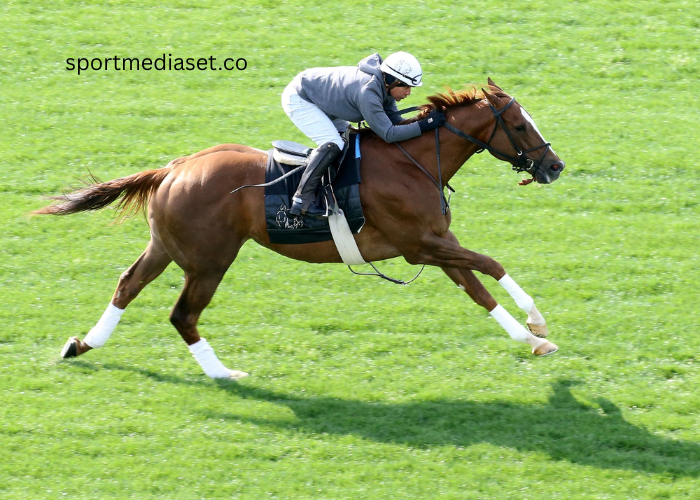
Most horses naturally prefer grass because it is what they were born to walk on in the wild. When a horse steps onto a turf track, their brain registers the surface as something familiar and safe. Unlike dirt tracks, which can feel a bit jarring on the joints, turf has a bit of give to it. This physical comfort translates directly into mental confidence.
A happy horse is a brave horse. You can often see the difference in their body language during the parade. A turf specialist might look more relaxed or fluid because they aren’t worried about the sting of kickback or the hardness of the ground. It is almost like the difference between you running a sprint in stiff boots versus your favorite pair of broken in sneakers. That comfort allows them to focus less on their feet and more on the actual competition.
Handling the Chaos of the Pack
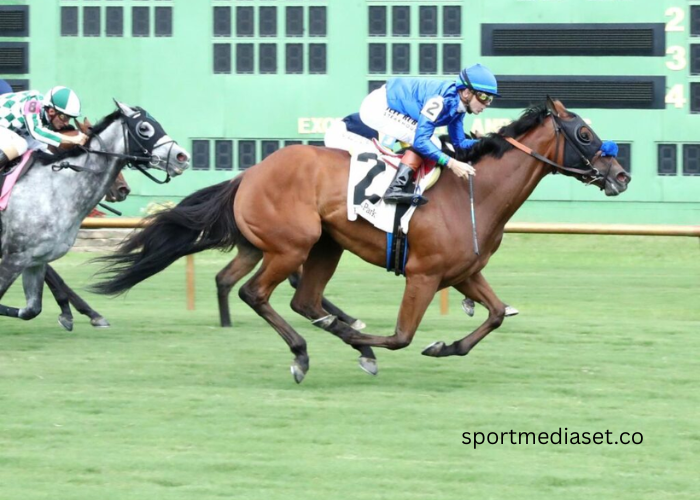
One of the biggest psychological hurdles for a turf horse is the crowd. On dirt tracks, the field often strings out pretty quickly, but turf racing is famous for keeping everyone bunched up together. Imagine running at thirty miles per hour while being surrounded by four or five other massive animals, all jostling for the same tiny bit of space. It takes a very specific kind of mental toughness to not panic in that situation.
Some horses get claustrophobic. They might pull too hard or try to back out of a tight spot because their survival instinct tells them to get away from the crush. The great ones though, they almost seem to thrive on it. They have this weird mix of patience and aggression where they can sit quietly in a pocket and wait for a gap to open up. That kind of emotional regulation is rare, and it is usually what separates a winner from the rest of the pack.
The Art of the Waiting Game
Turf racing is often a game of cat and mouse. Unlike a lot of dirt races where it is a full tilt sprint from the moment the gates open, messiturf events usually start a bit slower and end with a massive explosion of speed. This requires a horse to have an incredible amount of self control.
The horse has to listen to the jockey and stay calm even when their instincts are screaming at them to go as fast as possible right away. It is like holding back a coiled spring. A horse that “fret” or gets too excited early on usually burns through their mental energy before the real race even starts. The psychology here is all about trust. The horse has to trust that when the rider finally gives the signal, they will have enough left in the tank to fly past the leaders.
Dealing with the Ever Changing Ground
No two turf tracks are the same, and even the same track can change in an hour if a rain cloud passes over. One day the grass is firm and fast, and the next it is soft and “heavy.” A horse needs a lot of mental adaptability to handle this. Some horses absolutely hate it when their feet sink into the mud. It scares them or makes them feel insecure about their footing.
Then you have the “mudders” who seem to love the challenge. Psychologically, these horses are often more grittier. They don’t mind the mess or the extra effort it takes to pull their hooves out of the muck. You can almost see the determination in their eyes when the going gets tough. It is less about pure athleticism at that point and more about who has the bigger heart and the willingness to keep pushing when the ground is trying to hold them back.
The Competitive Spark and the Will to Win
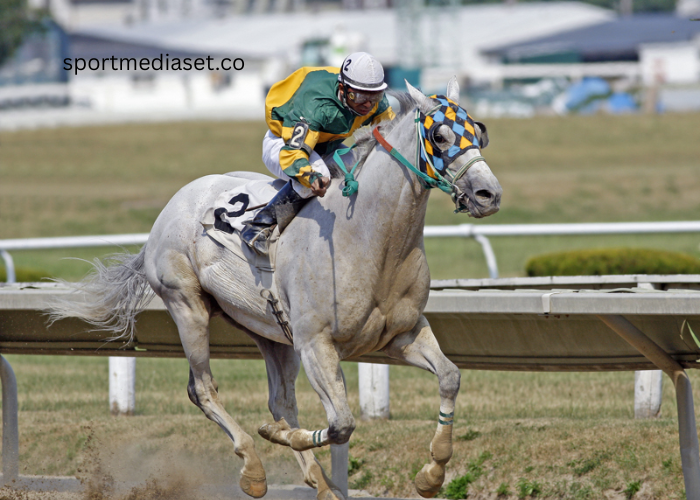
We can talk about grass and tactics all day, but there is an intangible element that some people call the “look of an eagle.” It is that moment in the final stretch where a horse decides they want to get their nose in front. It is purely psychological. Horses are herd animals by nature, and usually, they are happy to just follow the leader.
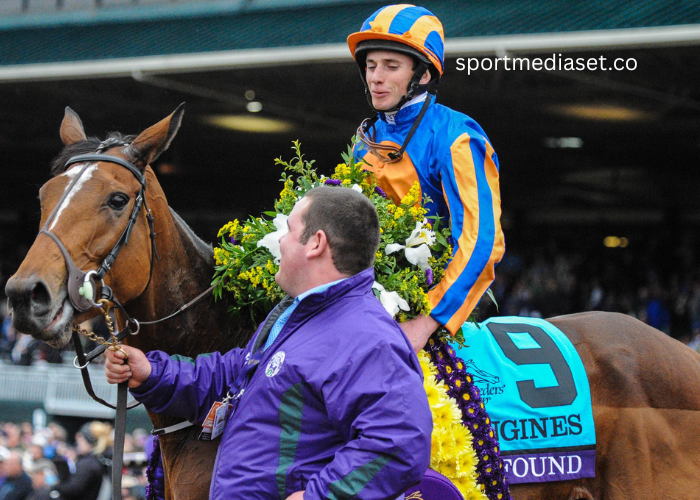
But a top tier turf horse has a bit of an ego. They want to be the alpha. When they see another horse creeping up beside them, they don’t just speed up because of a physical reflex. They do it because they are competitive. You’ll see them pin their ears back and dig in, refusing to let anyone pass. It is a raw, beautiful display of spirit that proves these animals are feeling the heat of the moment just as much as we are.
A Final Thought on the Equine Mind
Understanding the psychology of a turf horse makes watching a race so much more interesting. It isn’t just about who has the longest legs or the best pedigree. It is about which horse can stay calm in the crowd, which one trusts their rider, and who has the mental grit to handle a soggy track. Next time you see a horse gliding over the grass, take a second to think about the mental battle they are winning. It really is a masterclass in focus and bravery.