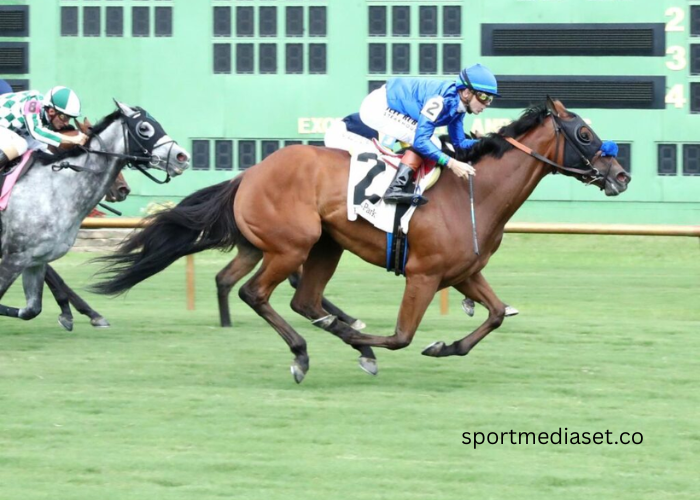
If you have spent any amount of time around high level show jumping or eventing lately, you have probably noticed a big shift in the conversation. For years, everyone was obsessed with sand and fiber mixes. It seemed like every major facility was ripping up grass to put down all weather footing. But recently, the pendulum has started to swing back. I have been chatting with a few trainers and riders who compete at the top levels, and the buzz about modern turf is actually pretty surprising. It turns out that grass is making a major comeback, but it is not the bumpy, slippery pasture footing we remember from the old days.
The Shift Back to Natural Roots
There is a certain prestige that comes with a grass arena. When you see a sea of perfectly manicured green, it just feels like “real” horse sport. Professionals are telling me that they missed the natural feel of grass. Modern turf technology has come so far that it is almost unrecognizable from the grass fields of twenty years ago. Top riders like the way a horse moves on a well maintained sod. It feels more organic and less mechanical than some of the synthetic surfaces that can sometimes feel a bit too “grabby” on the joints.
It is not just about looks either. Many pros feel that training on different types of ground makes a horse more versatile and athletic. If a horse only ever see’s a perfectly flat sand arena, they can get a bit lazy with their feet. Modern turf provides a slight variety in texture that keeps a horse focused on where they are stepping. It builds a different kind of strength in the soft tissues that you just cannot replicate on a man made surface.
Better Drainage Means More Rideable Days
One of the biggest gripes professionals always had with grass was the weather. One big rainstorm and the show was basically over, or you ended up with a muddy mess that ruined the ground for the rest of the season. But the “modern” part of modern turf is all about what is happening underneath the blades of grass. Pro stables are now using sophisticated sub base systems that drain water almost instantly.
I was talking to a barn manager the other day who mentioned that their new turf field actually dries faster than their indoor sand ring. They use layers of gravel and specialized sand mixes under the roots so the water has somewhere to go. This has been a total game changer for the professionals who need to keep their horses in a strict training schedule regardless of a morning drizzle. They are saying that the fear of “slipping and sliding” is mostly a thing of the past because the root structures are so much stronger now.
Impact on Horse Longevity and Health
This is the topic that gets most equestrians really talking. We all want our horses in casacourses to stay sound for as long as possible. Some professionals are starting to voice concerns that very high end synthetic footings might actually be too consistent. When every single stride is exactly the same, it can lead to repetitive strain injuries. Turf offers a bit more shear, which is a fancy way of saying the hoof can slide just a tiny bit upon impact.
Veterinarians and top riders are noticing that this slight slide actually takes a lot of pressure off the internal structures of the hoof and the lower leg. It acts like a natural shock absorber. I have heard several Grand Prix riders mention that their older horses seem to come out of a weekend on grass feeling much fresher than when they jump on hard sand. It is that “spring” in the step that people are after. Of course, this only works if the turf is maintained perfectly, but when it is right, it is hard to beat.
The Maintenance Reality Check
Now, it is not all sunshine and roses. Every professional I spoke with was very quick to point out that modern turf is a massive commitment. You cannot just mow it and hope for the best. It requires a dedicated team to manage the irrigation, the fertilization, and the aeration. It is a bit like maintaining a professional golf green, but with thousand pound animals jumping on it.
Pros are saying that you have to be disciplined. You cannot ride on it if it is truly saturated, and you have to move the jumps around to prevent “bald spots.” For a lot of people, the extra work is a fair trade for the performance benefits, but it is definitely not for the faint of heart. It is a luxury surface that requires luxury levels of care. If you let it go, it becomes dangerous fast, so the pros who use it usually have a very strict rotation plan in place.
Why The Trend is Here to Stay
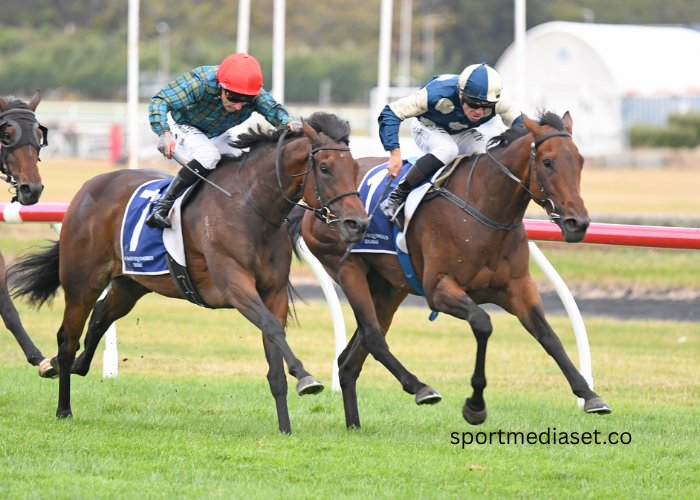
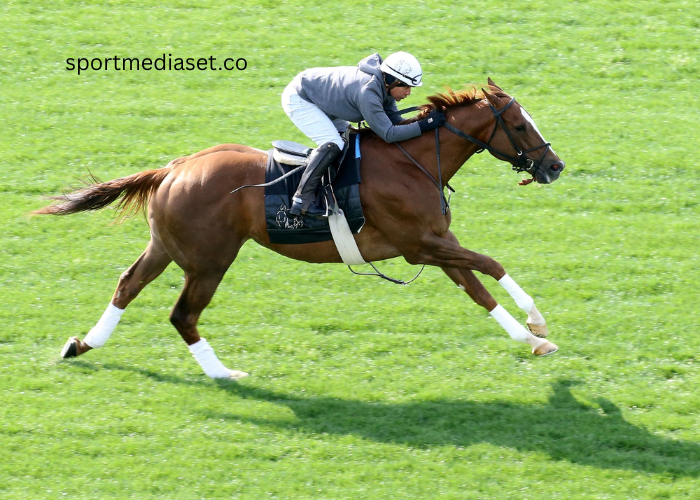
It seems like the equestrian world is finding a middle ground. While sand and fiber will always have a place for daily schooling and heavy traffic, the “prestige” events are moving back to the green. Professionals appreciate the challenge it presents and the beauty it adds to the sport. There is something truly special about the sound of a horse galloping on turf; it is a muffled, powerful thud that you just do not get anywhere else.
As the technology for root stabilization and drainage continues to get better, we will probably see even more local show grounds trying to put in grass rings. The riders are asking for it, and the horses seem to love it. It is a funny thing how we spend millions of dollars trying to invent the perfect surface, only to realize that nature had a pretty good idea from the start, we just needed to help it drain a little better.
Conclusion
Whether you are a pro jumping massive oxers or an amateur just looking for a nice place to ride, the shift toward modern turf is something to watch. It brings a bit of the old world charm back to the stable while using high tech science to keep things safe. It is clear that the professionals have spoken, and they want the green grass back. As long as the maintenance is there, it is a win for the horses and a win for the sport. It just feels right.