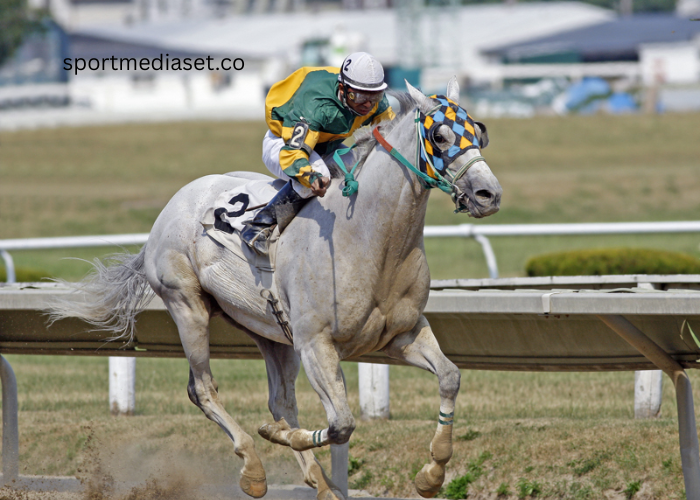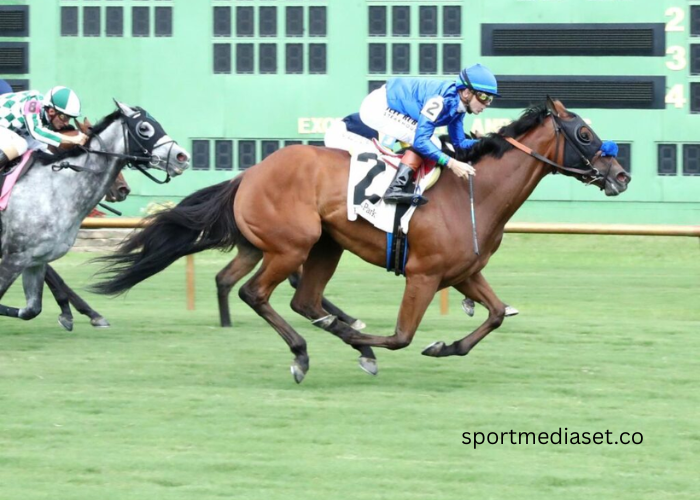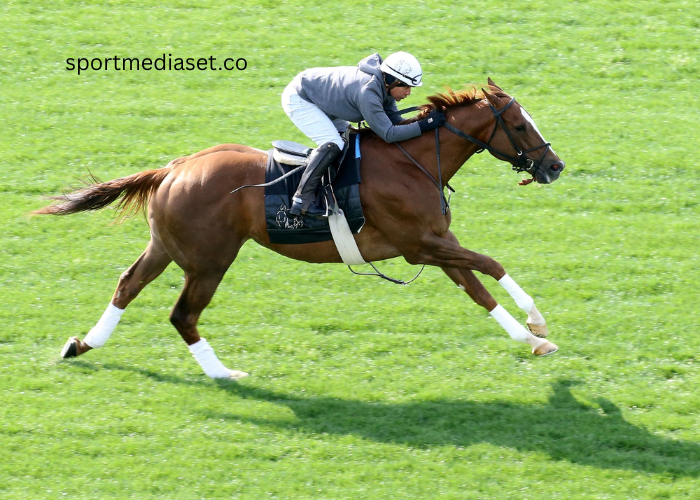
When most people think about horse racing in the United States or Canada, they usually picture the dusty brown tracks of the Kentucky Derby or the Preakness. Dirt has been the king of the mountain here for a very long time. But if you talk to any old timer at the track or look at the racing forms lately, you’ll notice something is changing. Turf racing, which is basically just racing on grass, has gone from being a weird sideshow to one of the most popular ways to watch the sport. It has been a long and somewhat bumpy road to get here, but it is a fascinating story of how North American tastes eventually caught up with the rest of the world.
The Early Days of Dirt Dominance
Back in the late 1800s and early 1900s, America was obsessed with speed and durability. Dirt tracks were just easier to maintain back then. You have to remember that grass is living stuff. It needs water, it needs to be mowed, and if it rains too much, it turns into a swampy mess that can be dangerous for horses. Dirt was predictable. Because of that, most of the big legendary horses like Man o’ War were bred and trained specifically to power through the sand and soil.
Turf was seen as something “European.” It was elegant and fancy, sure, but it wasn’t considered the heart of American racing. For decades, if a track even had a grass course, it was usually tucked away on the inside of the main dirt oval like an afterthought. Most trainers didn’t even want to put their best horses on it because they were worried about them slipping or just not understanding how to run on the softer surface.
The European Influence and the International Side
Things started to shift a bit after World War II. As travel became easier and people started flying horses across the ocean, the world of racing got a lot smaller. We started seeing these incredible grass runners from England, Ireland, and France coming over and showing us how it’s done. One of the biggest turning points was the creation of the Washington D.C. International at Laurel Park in the 1950s.
This race was a huge deal because it invited the best horses in heros turf from all over the world to compete on the grass. It opened the eyes of American owners. They realized that there was this whole other side to the sport that was tactful and required a different kind of stamina. It wasn’t just about who could sprint the fastest from the gate. It was about “the kick,” that sudden burst of speed in the final stretch that grass specialists are famous for.
The Breeding Revolution and Grass Specialists
As the decades rolled on, breeders started to get smart. They noticed that some stallions were producing babies that were okay on dirt but absolutely flew on the grass. This led to a split in the industry. You started seeing “turf pedigrees” becoming a real thing in sales catalogs. If you had a horse with a lot of European blood in its veins, you weren’t looking for the Kentucky Derby anymore. You were looking for the lush green tracks of Belmont or Arlington.
This was great for the sport because it gave more horses a chance to shine. A horse that might have been a “nobody” on a dirt track suddenly became a superstar once its hooves hit the grass. It added a layer of variety that we really needed. Fans started to love it too because grass races often have huge fields of twelve or fourteen horses, which makes the betting much more exciting and, let’s be honest, a lot harder to predict.
Modern Day Transformation and the Breeders Cup
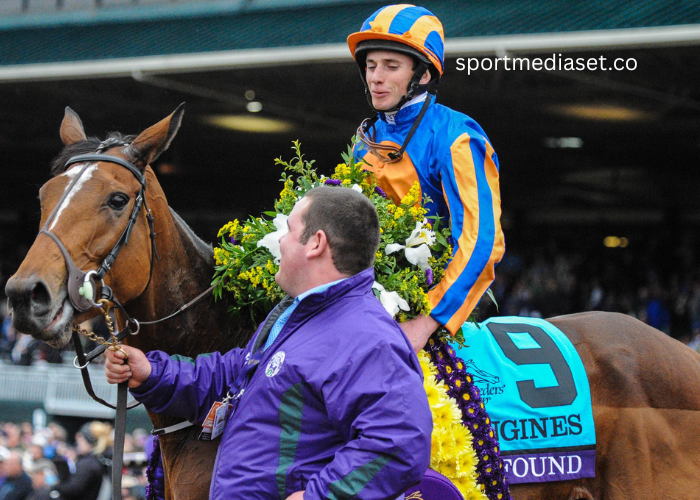
If you want to see where turf racing stands today, you only have to look at the Breeders’ Cup. When it started in 1984, the Dirt Classic was the only thing anyone cared about. Now, the Turf and the Mile are arguably just as prestigious. In fact, many of the most famous horses of the last twenty years have been grass runners.
Tracks across North America have spent millions of dollars to upgrade their turf courses. They’ve installed sophisticated drainage systems so they can run even after a light rain. Some tracks in places like Kentucky or Florida have even started leaning more heavily into their “turf festivals.” It’s become a bit of a status symbol. A track with a beautiful, well maintained grass course looks like a million bucks on TV, and it attracts the kind of international talent that brings in the big crowds.
Why We Love the Grass Today
There is just something undeniably beautiful about a pack of horses thundering down a green field. It feels more natural, in a way. Many experts also argue that grass is a bit more forgiving on a horse’s legs than dirt, which is a big conversation point in the industry right now regarding horse safety.
Plus, from a spectator’s point of view, turf racing is usually much more strategic. On dirt, the leader often stays the leader. On the turf, you’ll see horses coming from way back in the pack, weaving through traffic like they’re on a highway, only to stick their nose out at the very last second. It’s high drama, and it’s why we’re seeing more and more of it on our weekend racing schedules.
Looking Forward to the Green Future
It’s funny how things come full circle. What was once seen as an “outsider” style of racing has become a cornerstone of the North American circuit. We aren’t just copying Europe anymore either. We’ve developed our own style of turf racing that is fast and aggressive.
While dirt will likely always have a special place in our history because of the Triple Crown, the future is looking very green. Whether you are a casual fan who just likes the look of the grass or a serious bettor looking for a big payout, the evolution of turf racing has made the sport a lot more interesting for everyone involved. It took us a century to really get it right, but I’d say it was well worth the wait.